
Community Support
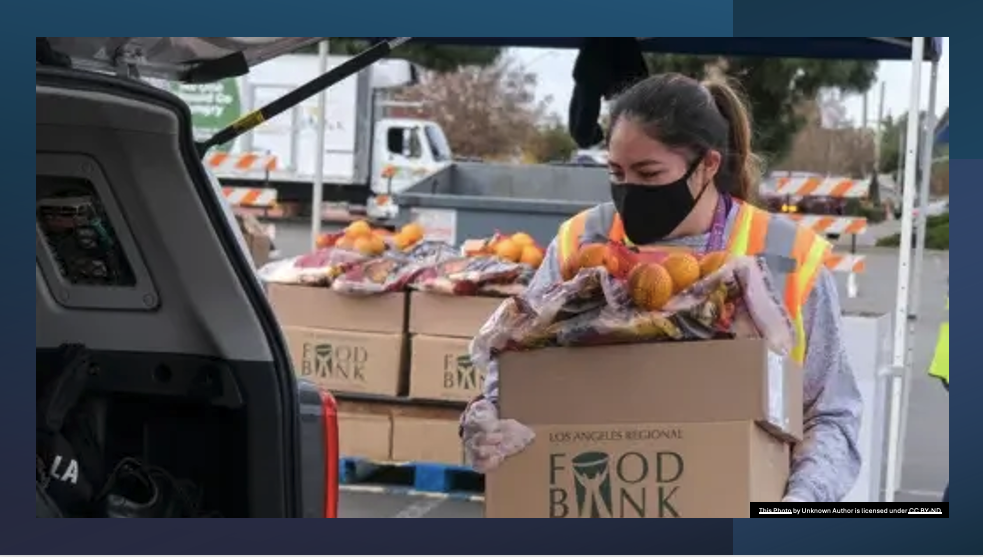
- When SNAP benefits are interrupted due to a government shutdown, communities can respond by organizing food drives, volunteering at local food banks, and establishing community cold storage to distribute free groceries and meals.
- Local organizations, such as food pantries, churches, and nonprofit groups, can coordinate efforts to collect and distribute shelf-stable foods, baby formula, and dietary-specific items to families in need.
- Individuals can help by donating food, money, or time, and spreading the word about available resources, such as food bank locators and emergency meal programs, to ensure that no one goes hungry during the crisis.
District and Campus Support
- The Texas Education Code, Section 33.907 (passed in the 87th legislative session), allows districts to participate in donations to and from families at the district and campus levels.
- When children are hungry, their learning suffers significantly—they often struggle to concentrate, have poor memory, and face greater challenges in academic achievement and social behavior.
- Hunger leads to lower test scores, increased absenteeism, more frequent grade repetition, and higher dropout rates.
- It can also cause emotional issues like anxiety, depression, and difficulty building friendships, all of which further disrupt learning and development.
- Negative effects on learning can be both immediate and long-lasting, sometimes persisting into adulthood.